LIVE ONLINE WORKSHOP
A strong Horizon Europe consortium is more than a list of capable partners.
Well-known organisations, broad geographic spread and a sufficient number of partners are a good start, but not a recipe for success yet. Evaluators will look at the consortium in relation to the proposal as a whole: the Call, the project objectives, the planned work and the expected results.
This 2-hour live workshop will help you assess your planned Horizon Europe consortium more strategically while there is still room to strengthen the consortium logic.
Consortium design is often discussed early, but not always tested carefully enough before drafting begins.
This can lead to questions such as:
If these questions are not addressed early, the proposal can become harder to write – and less convincing for evaluators.
By the end of the workshop, you will have a clearer way to assess whether your consortium logic follows the Call, whether the necessary functions are covered, and whether each partner has a clear and credible role.
You will also learn how consortium logic needs to become visible in the written proposal – and how to approach partner search more strategically when important roles or functions are still missing.
This is not a general introduction to Horizon Europe. It is a practical workshop for applicants who aim to make their consortium more convincing before the proposal structure becomes increasingly difficult to adjust.
What makes a consortium convincing?
We will look at consortium design from an evaluator perspective: what makes partner roles credible, relevant and clearly justified.
From Call logic to consortium needs
You will learn how to move from the Call text and expected outcomes to the functions, partner profiles and roles your project needs to deliver credibly.
Common consortium design mistakes
We will discuss frequent weaknesses, such as unclear roles, missing implementation or uptake perspectives, unnecessary complexity, or partners included without a clear purpose.
Practical exercises and consortium diagnosis
You will work with short examples to identify what feels convincing, what is missing, and where the logic breaks down – and then apply the same thinking to your own project idea or planned consortium.
Making consortium logic visible in the proposal
We will look at where and how consortium logic needs to be reflected in the proposal template, and how to make partner roles, complementarity and implementation credibility clearer in the written proposal.
Finding the right partners for your consortium
You will receive practical guidance on how to approach partner search when important roles or functions are still missing.
You do not need to have a well developed proposal yet. The workshop is especially useful while the consortium is still being shaped.
The workshop is designed for organisations that still have room to think strategically about their consortium structure.
To keep the group focused, relevant and mutually supportive, this workshop is intended for people working within applicant organisations that are preparing their own Horizon Europe Pillar 2 proposal. It is not designed for service providers supporting client proposals.
Bonuses included with your registration:
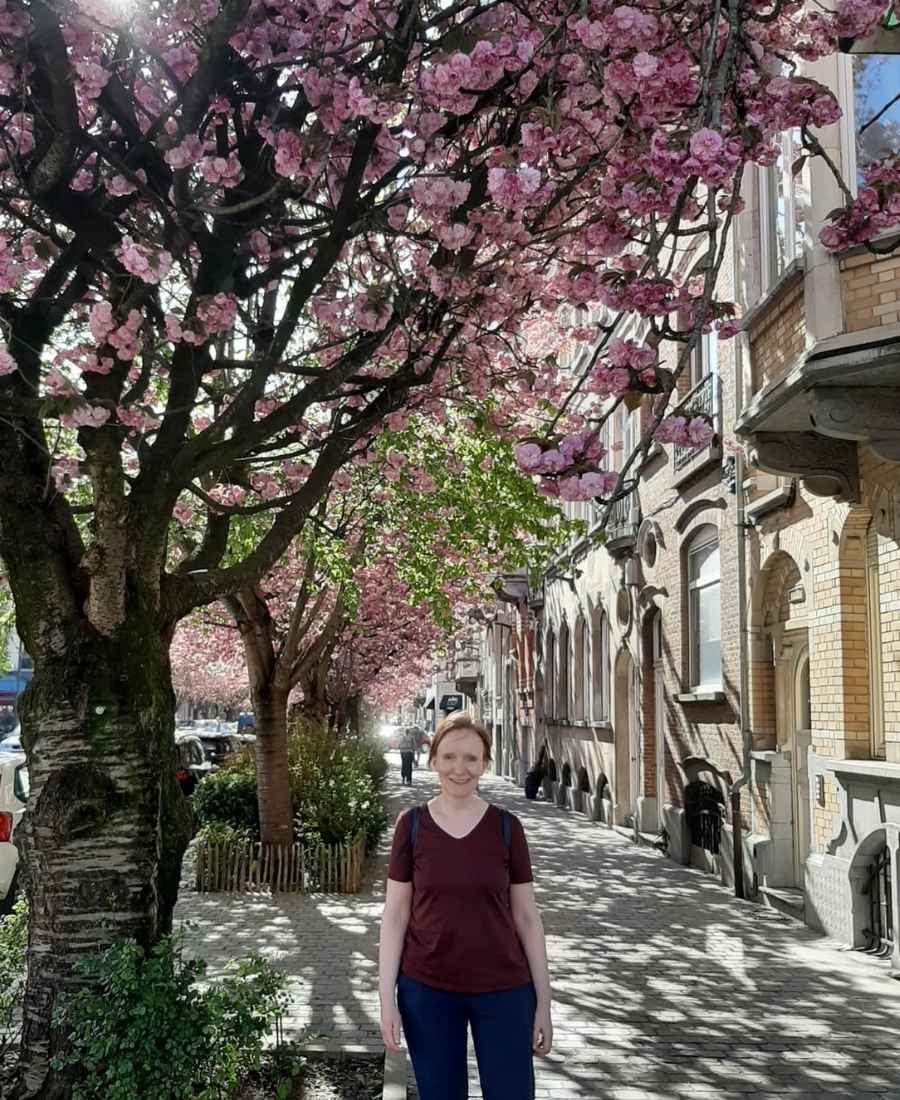
I have been working in EU funding and policy for over 20 years, supporting organisations in securing EU grants across a wide range of fields – from social inclusion and environmental sustainability to research and innovation.
Through workshops, trainings and hands-on advisory support, I have helped many small and medium-sized organisations – including NGOs, public bodies and companies – take their first confident steps into the EU funding landscape and develop successful funding strategies and proposals.
I am a committed advocate for sustainability and have been closely engaged with European environmental policies and funding programmes for many years. My work builds on hands-on experience across EU policy and funding instruments, including roles linked to EU Structural Funds, Horizon Europe and National Contact Point activities, as well as work within and alongside EU institutions and agencies.
Drawing on this experience, this workshop is designed to make EU funding more accessible and to support environmental and sustainability actors in taking their work further with the help of EU funding.

Places are limited to keep the workshop practical and interactive.
Any questions? Don’t hesitate to get in touch and I’ll get back to you asap!
Horizon Europe Toolkit (free resource)
A practical resource designed to help you write with clarity, credibility, and strategic focus – so you can feel confident that your proposal clearly communicates its value to evaluators.
Online Workshop on 6 November!
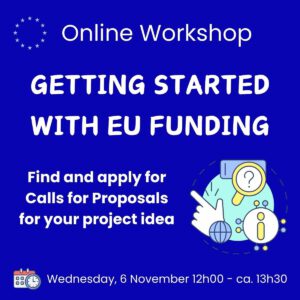
The workshop “Getting Started with EU Funding” is for participants with no or very limited experience in EU funding. Discover what kind of projects the EU is funding, the requirements and how you can apply for funding in your thematic field.
EU Funding Checklist
Do you have a new project idea and are wondering if EU funding could be available for your project?
This checklist will guide you through the most important questions to be considered when applying for EU project grants and includes some further suggestions how you could adapt your concept to be more in line with EU expectations regarding fundability.
Online Workshop
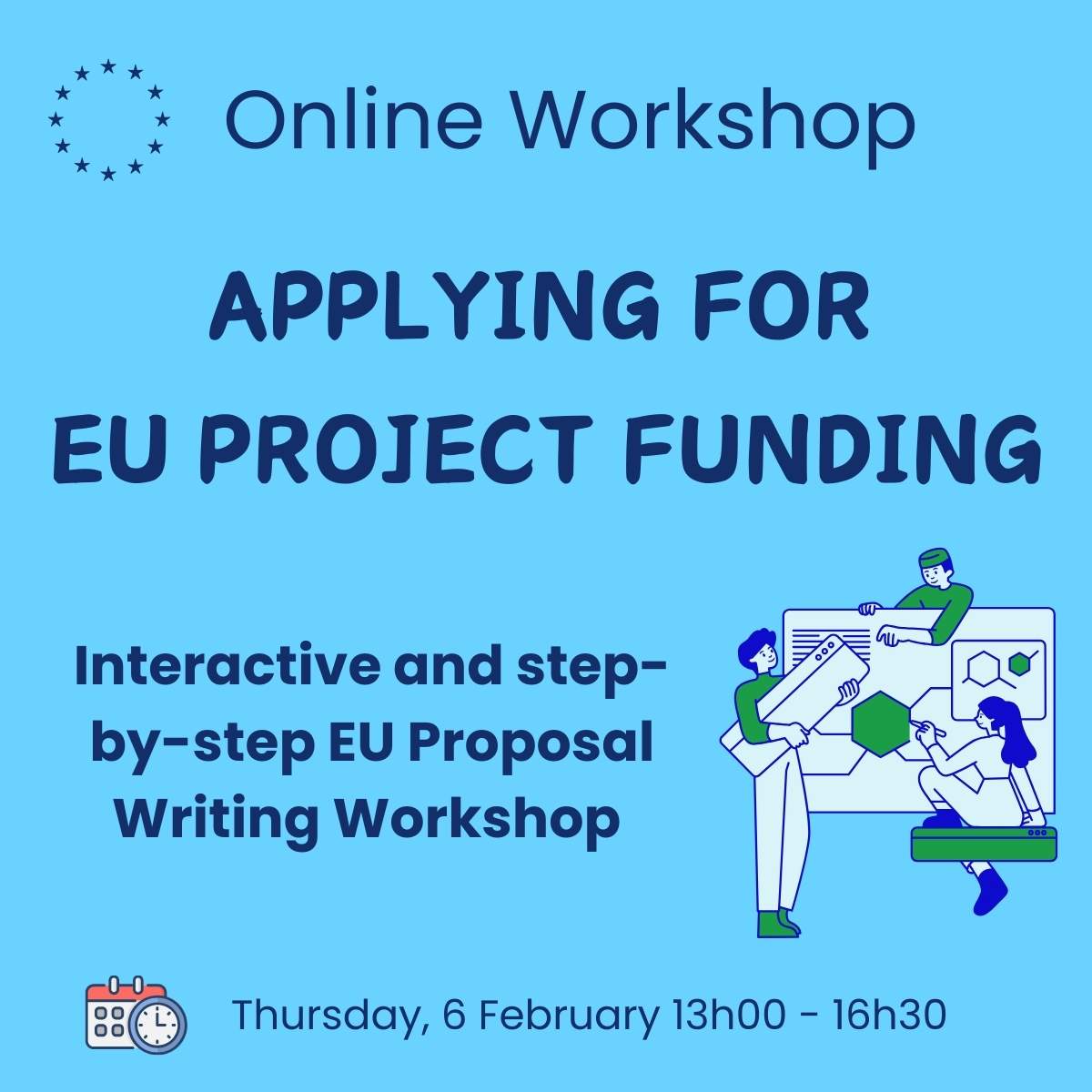
Interactive and step-by-step EU Proposal Writing Workshop
On 6 February 2025 from 13h00-16h30